



Menu
Menu
No one wants to hear the words ‘skin cancer,’ but for Australians living under the sun’s relentless rays, it’s a harsh reality that many fear and far too many face. As an experienced skin cancer clinic in Cockburn that has cared for many patients over the years, we understand how overwhelming and daunting this diagnosis can feel. That’s why our team of experienced doctors takes the time to understand your unique concerns, providing personalised care and support throughout every stage of your treatment.
Australia has one of the highest skin cancer rates in the world, with nearly 19,000 new melanoma cases diagnosed in 2024 alone¹. It has also been estimated that more than two-thirds of Australians will be diagnosed with some form of skin cancer during their lifetime². The good news is that most skin cancers are highly treatable when detected early, which is why we offer regular skin cancer checks at our practice.
The frequency of skin checks will depend on your individual risk factors, including your skin type, family history of skin cancer, history of significant sun exposure, and any previous diagnoses of skin cancer. However, given the high rates of skin cancer in the country, we recommend scheduling a skin check at least once a year for most people, with more frequent checks (every 3 to 6 months) for those at higher risk.
Our skin checks in Cockburn are designed to be simple, quick, and comfortable, typically lasting for about 15 to 20 minutes. Your doctor will begin the consultation by asking about your medical history and any concerns you may have. During your assessment, you may be asked to remove your clothing down to your underwear and put on a medical gown. At Grove Medical, your privacy and dignity will be respected at all times, and a chaperone is also available upon request.
Once you’re comfortable, a thorough examination of your entire body will be carried out using a dermatoscope. If any suspicious lesions are found, a biopsy may be recommended for further analysis. Your doctor may also refer you to a specialist if needed. Additionally, a follow-up appointment may be arranged based on your results and ongoing care needs, or simply to schedule your next routine check.
Most skin cancers are treatable, and early detection can significantly improve the outcome and save lives. Although skin cancer is often diagnosed through a clinical examination, regular self-checks are beneficial in spotting the early signs of skin cancer. One useful tool for evaluating any suspicious moles or lesions is the ABCDE guideline:
While a biopsy is usually performed to analyse suspicious skin lesions, other tests such as imaging scans (X-rays, CT scans, or MRIs) may also be carried out to determine if the cancer has spread beyond the skin.
Treatment for skin cancer depends on its type, stage, and how far it has spread. If the cancer is small and confined to the skin’s surface, a biopsy alone may be sufficient to remove it. However, for some skin cancers, a wider excision may be necessary. Other skin cancer treatments may include topical creams, cryotherapy, and excisional surgery.
We believe that prevention is just as important as treatment, and this is why we help patients take proactive steps to manage their skin health and reduce their risk.
Some key preventive measures include:
These simple habits can go a long way in preventing skin cancer.
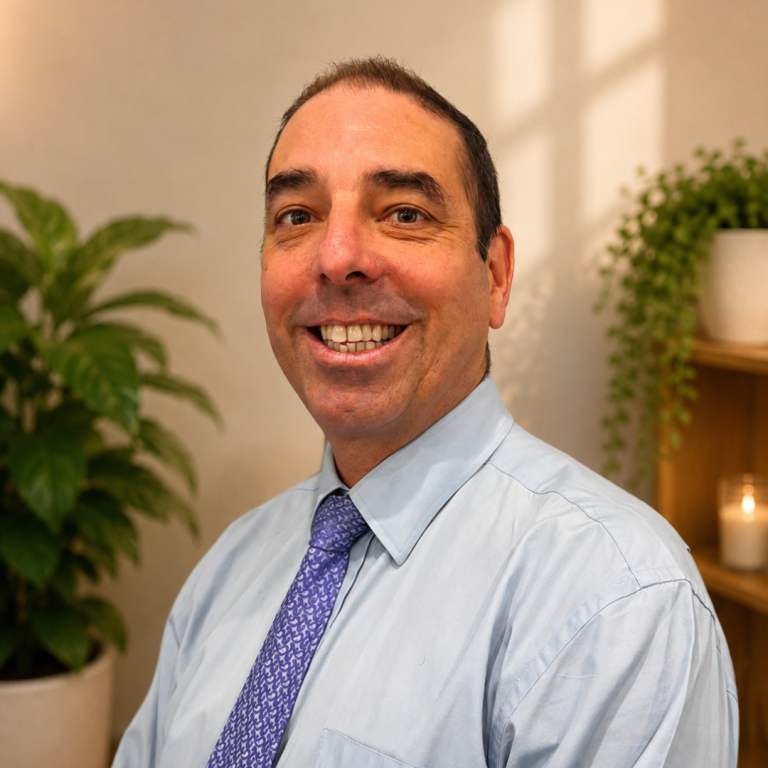

MBBS, DRACOG, FRACGP, MBA
Dr Sean Stevens has over 25 years of experience as a GP, with 20 of them as a practice owner. He has a special interest in skincare and is highly respected for mentoring doctors on their path to becoming specialist GPs. Dr Stevens has also been conferred with the GPET Australian GP Supervisor of the Year award by the Royal Australian College of General Practitioners (RACGP) in 2005.
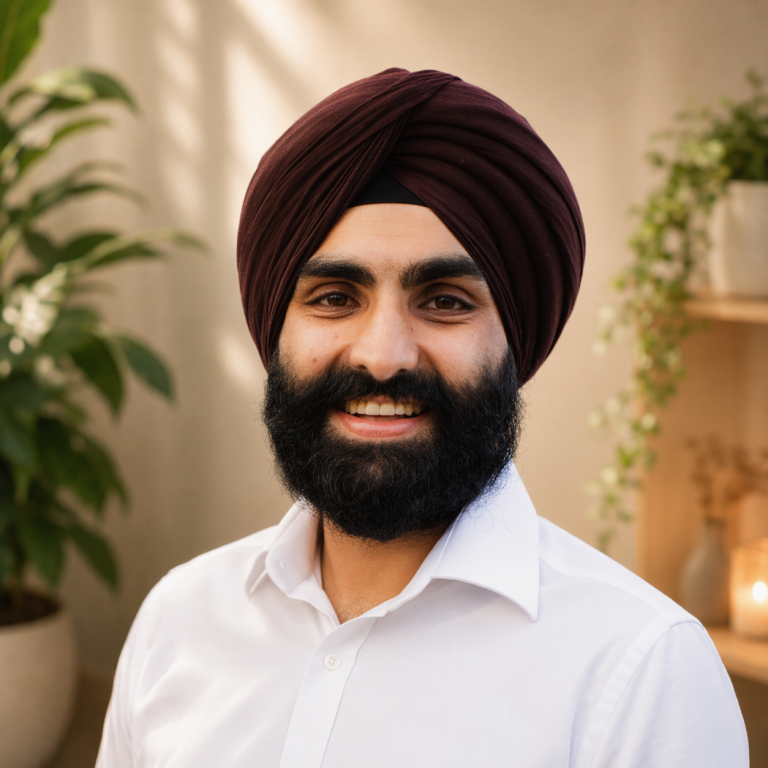
FRACGP, MBBS
Dr Ansh Dhaliwal is an experienced and compassionate doctor dedicated to the early detection and accurate diagnosis of a range of chronic medical conditions, delivering personalised care tailored to each patient. He also has extensive experience in skin cancer diagnosis and treatment, including performing complex flaps and grafts for optimal patient outcomes.
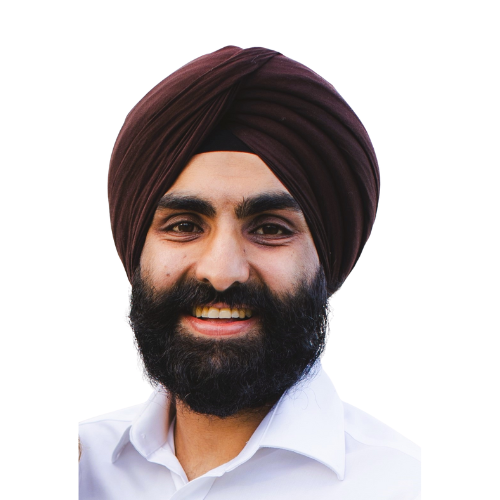
FRACGP, MBBS
Dr Ansh Dhaliwal is an experienced and compassionate doctor dedicated to the early detection and accurate diagnosis of a range of chronic medical conditions, delivering personalised care tailored to each patient. He also has extensive experience in skin cancer diagnosis and treatment, including performing complex flaps and grafts for optimal patient outcomes.
Choosing where to care for your skin cancer is an important decision, and at Grove Medical, we understand the trust that comes with it. Patients consistently turn to us because our doctors integrate their deep expertise with genuine compassion, treating each person as an individual rather than just a condition.
At Grove Medical, we value transparency and provide clear information about our fee structure, so you know what to expect at your visit.
Initial Consultation and Skin Check
While the standard consultation for a skin check costs $92, this may vary based on the duration, with extended consultations billed at $175.
Excision Fees
– Simple excision – $220
– Standard excision – $270
– Complex excision – $320
These categories are determined by the complexity and the time required to perform the excision. Your doctor will discuss which category your excision falls into before you book your procedure. Please also note that there is no Medicare rebate available for these procedures.
Conveniently located on Lake Road in Cockburn Central, our women’s health clinic at Grove Medical is easily accessible to residents of Atwell, Aubin Grove, Beeliar, Success, Jandakot, South Lake, Munster, and other surrounding areas. With ample parking spaces available, our flexible opening hours are designed to fit your busy lifestyle, making it easier to find a time that suits you.
Opening Hours
Monday 8 AM – 6 PM
Tuesday 8 AM – 5:30 PM
Wednesday 8 AM – 5:30 PM
Thursday 8 AM – 5:30 PM
Friday 8 AM – 5 PM
Saturday 8.30 AM – 12.30 PM
Sunday – Closed
No. While some blood tests may be carried out before and during the treatment of skin cancer, a definitive diagnosis typically requires additional procedures, such as a biopsy and relevant imaging tests.
No, not necessarily. While some mild discomfort may occur, most individuals do not experience pain, as a local anaesthetic is used to numb the area before the procedure.
While skin cancers can appear differently from person to person, depending on factors such as skin tone, cancer type, size, and location, most melanomas present as pigmented lesions, typically in shades of tan, brown, black, or even blue. However, some melanomas (amelanotic melanomas) are non-pigmented and can appear pink, red, or skin-coloured.
Skin cancer can appear in various forms, which may make it difficult to distinguish from other skin conditions, especially to the untrained eye. Some of the most common conditions that can mimic skin cancers are psoriasis (an autoimmune skin condition), nevi (moles), seborrheic keratoses (benign tumours), sebaceous hyperplasia (enlarged sebaceous glands), and cherry angiomas (benign vascular growths).
If caught early, most melanomas are highly treatable and have a good outcome. The primary mode of treatment is surgical excision, in which the cancerous lesion and a portion of the surrounding healthy skin are removed.