



Menu
Menu
Mental health touches every part of our lives, from how we think and manage emotions to how we interact with others. As an integral part of an individual’s overall well-being, poor mental health can leave a significant impact on a person’s day-to-day life, making even the most mundane tasks feel overwhelming. As a trusted mental health clinic in Cockburn that has supported many patients over the years, we understand this deeply. That’s why we believe caring for your mental health is just as important as taking care of your physical health.
At Grove Medical, you’ll meet with a team of experienced General Practitioners (GPs) who have a special interest in mental health. Our experts are dedicated to providing comprehensive support and care for a wide range of mental health concerns. Our Cockburn Mental Health Clinic also offers access to Medicare-subsidised psychology services to guide you through your recovery. Here are some of the most common mental health disorders that are managed at our practice:
Many people experience anxiety from time to time, and this is a normal part of life. However, if it begins to affect an individual’s daily activities, it’s important to seek medical attention. There are several types of anxiety disorders, such as phobias, generalised anxiety disorder (GAD), panic disorder, and social anxiety disorder. Anxiety treatment often involves a combination of psychotherapy (talk therapy) and medication.
In addition to these treatments for anxiety, patients may also be advised to undergo certain lifestyle changes, such as engaging in regular exercise, prioritising sleep, and maintaining a healthy diet.
Individuals with personality disorders have long-lasting disruptive personality traits that affect the way they think, behave, and interact with others. There are 10 types of personality disorders, and they are classified into three main clusters (Cluster A, B, and C personality disorders).
While the treatment will depend on the type and severity of the personality disorder, psychotherapy is typically used as the main treatment option. Medicines may also be used during the treatment if needed.
This is one of the most common mental health disorders that affects many children, and it often continues into adulthood. The symptoms of attention deficit hyperactivity disorder are categorised into two main groups. The first includes inattention symptoms, which affect the ability to focus on a task. The second includes hyperactivity and impulsivity symptoms, which affect the ability to sit still or remain in one place.
While the exact treatment plan will vary depending on the patient’s age and needs, the standard treatment for children typically includes medication, psychosocial interventions (e.g., behavioural therapy), and counselling. The treatment plan for adult ADHD may also vary from person to person, but it typically includes medication, psychological counselling, education (learning more about ADHD), and receiving family support.
Mood disorders, such as depression and bipolar disorder, are mental health conditions that can affect a person’s emotional state and their ability to function on a daily basis. Depression causes a persistent feeling of sadness, affecting how an individual thinks, feels, and behaves. Treatment typically involves psychotherapy, medication, or a combination of both. Other depression treatment options include electroconvulsive therapy (ECT) and transcranial magnetic stimulation (TMS).
Bipolar disorder, on the other hand, is characterised by emotional highs (mania or hypomania) and lows (depression). This lifelong condition is mainly managed with medications and psychotherapy.
Substance use disorder is a complex mental condition in which there is a continued use of alcohol, medications, or other substances despite harm. Some of the most common substances include alcohol, marijuana, opioids, and nicotine.
The treatment for substance use disorder will depend on the drug used, as well as the presence of any related medical or mental health disorders.
As the name implies, these debilitating mental health disorders are triggered by trauma and environmental stressors and may develop in the aftermath of such experiences. The five disorders are reactive attachment disorder (RAD), disinhibited social engagement disorder (DSED), posttraumatic stress disorder (PTSD), acute stress disorder (ASD), and adjustment disorder (AD). PTSD is relatively common in Australia, with an estimated 11% being affected in their lifetime¹ and is treated mainly with psychotherapy. However, medications may also be given to alleviate its symptoms.
While stress isn’t a diagnosis, it is a normal response to challenging or new life events. However, persistent stress can result in long-term physical and psychological consequences. For those who feel their stress is beyond their control, we offer a number of stress management services, including stress management counselling and cognitive behavioural therapy (CBT).


MBBS, DRACOG, FRACGP, MBA
Dr Sean Stevens is a highly experienced GP with over 25 years in practice, including 20 years as a practice owner. Recognised for his leadership and mentorship, Dr Stevens has supported over 30 doctors in training to become specialist GPs. He has held key roles within the Royal Australian College of General Practitioners in WA, including Chair of the WA Faculty, advocating for quality care and professional development. Dr Stevens has also been conferred with the GPET Australian GP Supervisor of the Year award by the Royal Australian College of General Practitioners (RACGP) in 2005.
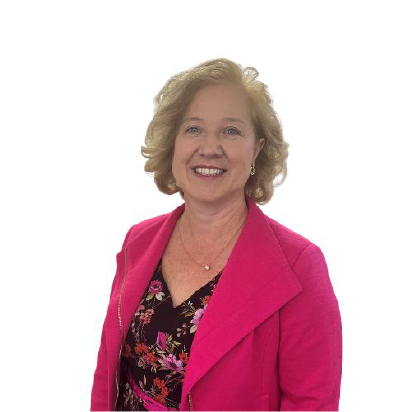
FRACGP, MBBS, DCH, BSc, Dip Ed
Dr Mary-Therese Wyatt earned her medical degree at the University of Wollongong in 2010 and completed her GP specialist training in Perth in 2016. Dr Wyatt is passionate about several disciplines of General Practice, including managing chronic disease and mental health. She is also actively involved in advocating for community health through her role on the WA RACGP Faculty Council, as well as mentoring registrars.
FRACGP, MBBS, DCH, BSc, Dip Ed
Dr Mary-Therese Wyatt earned her medical degree at the University of Wollongong in 2010 and completed her GP specialist training in Perth in 2016. Dr Wyatt is passionate about several disciplines of General Practice, including managing chronic disease and mental health. She is also actively involved in advocating for community health through her role on the WA RACGP Faculty Council, as well as mentoring registrars.

A Mental Health Treatment Plan (MHTP), also known as a Mental Health Care Plan² (MHCP), is a formal, structured plan that your GP creates following a mental health consult. It outlines your treatment goals, strategies, interventions, referrals, and other essential information. To be eligible for this care plan, a patient must be diagnosed with a mental health disorder as defined by the DSM-5 (Diagnostic and Statistical Manual of Mental Disorders³).
This Medicare-subsidised treatment plan for mental health allows eligible patients to get a Medicare rebate for up to 10 sessions per calendar year with an eligible mental health professional. The Mental Health Care Plan also needs to be reviewed regularly, and this is usually done following the 6th session. The review will determine if additional sessions are needed (up to four more). However, as each practice sets different charges, Medicare may only be able to cover some of the cost for these sessions. Therefore, we recommend that you get in touch with our team to learn more about our fee structure as well as the current rebate fees and to determine your out-of-pocket cost per appointment.
With years of experience, we understand that taking the first step to talk about mental health can feel challenging for many. That’s why at Grove Medical, you’ll be met with compassionate professionals who will work closely with you to find the best way forward. Each of our sessions takes place in a safe and supportive environment that prioritises your needs. Once you feel comfortable, our clinician will:
Once the assessment is complete, a care plan will be tailored to your needs, and follow-up appointments will be scheduled (if needed) to monitor your progress.
Here’s What to Bring to Your Mental Health Consult:
Grove Medical offers bulk billing for selected patients, including children under 14 and Pension Card holders aged 65 and over. If you’re not eligible, full payment will be required upfront, with a partial rebate claimable through Medicare. For Healthcare Card holders and Pension Card Holders under the age of 65, a $40 gap fee applies; however, reduced rates are available. Appointments scheduled on weekends, during extended hours, or on public holidays are privately billed. For more information, visit our Cockburn fees page or get in touch with our team, who will assist with all your queries and concerns.
Conveniently located on Lake Road in Cockburn Central, our Mental Health Clinic at Grove Medical is easily accessible to residents of Atwell, Aubin Grove, Beeliar, Success, Jandakot, South Lake, Munster, and other surrounding areas. With ample parking spaces available, our flexible opening hours are designed to fit your busy lifestyle, making it easier to find a time that suits you.
Opening Hours
Monday 8 AM – 6 PM
Tuesday 8 AM – 5:30 PM
Wednesday 8 AM – 5:30 PM
Thursday 8 AM – 5:30 PM
Friday 8 AM – 5 PM
Saturday 8.30 AM – 12.30 PM
Sunday – Closed
If you or someone you know is in immediate danger, please call 000.You’re not alone. Support is available 24/7 across Australia. If you’re feeling overwhelmed, reach out to one of these services:
Knowing when to seek counselling isn’t always easy, but if you’re noticing persistent feelings of sadness, anxiety, or stress that affect your daily life, it might be time to consider professional support. Other signs, like withdrawing from social activities, persistent negative thoughts, or relying on unhealthy coping strategies, may also indicate that it’s time to reach out for help.
In Western Australia, the Mental Health Act 2014¹ protects the rights of patients by ensuring they receive the best possible treatment with the least possible interference with their freedom and rights, while also respecting their dignity. It also recognises the important role of families and carers, and requires that patients, their nominated persons, and carers are actively involved in treatment decisions. Services must aim to minimise the impact of mental illness on family life, while also ensuring the safety of individuals and the community. The Act also refers to a Charter of Mental Health Care Principles, which all mental health services must make every effort to comply with, and people performing functions under the Act must have regard to.
There are many warning signs of serious mental health issues to watch out for, including (but not limited to):
Mood Changes
Behavioural Changes
Physical Changes
Yes. In Australia, General Practitioners can conduct a mental health assessment. Our Mental Health Clinic doctors will create personalised Mental Health Care Plans and provide access to Medicare-subsidised psychology services. If needed, they may also refer you to specialists for further support. For more information, get in touch with our friendly team, who will assist with all your queries and concerns.